
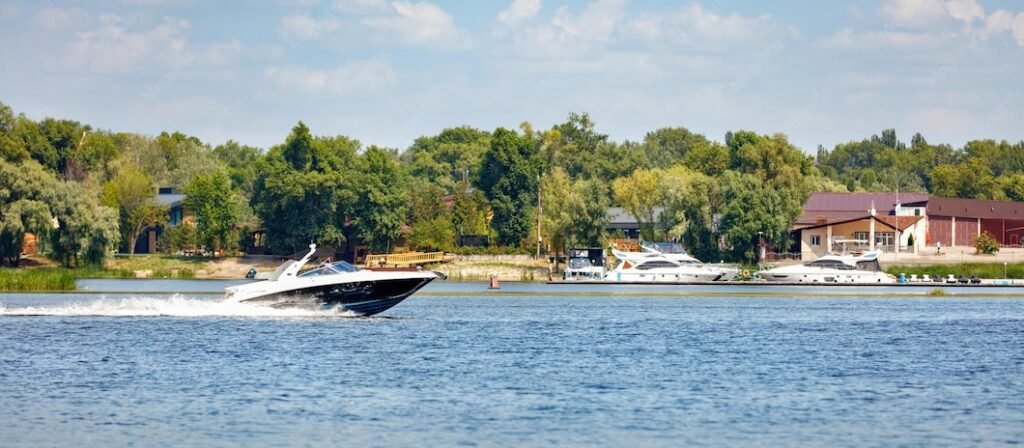
Imagine yourself gliding across a sparkling Canadian lake with the wind in your face and friends by your side on a perfect summer day. VHF radio coverage stands ready to keep those moments safe and connected, no matter where your journey takes you.
At BOAT RENTALS CANADA, we know these waterways well and equip boaters for confident adventures. In this blog, we will walk you through essential steps that turn potential worries into smooth sailing experiences you will remember for years.
Check Equipment Before You Launch
Take time to inspect your VHF radio thoroughly before each outing on the water to avoid any surprises later. Confirm the battery holds a full charge and the antenna sits securely in place for optimal performance. Tune into channel 16 early so you stay prepared from the start of your adventure.
Familiarizing yourself with the controls builds quick confidence when conditions change unexpectedly during your day on the lake. This preparation makes all the difference in how relaxed and in control you feel throughout the trip.
Master Essential Channels on Canadian Waters
Channel 16 serves as your lifeline for distress signals and first contact with responders in need during critical situations. Move to channels like 68 or 72 for everyday chats after you establish an initial connection with other boaters or services. Local broadcasts on weather channels deliver updates that shape your route decisions throughout the day ahead.
Staying attuned to these frequencies helps you navigate busy areas like Lake Muskoka with greater awareness and preparation for whatever comes your way. You gain a stronger sense of security knowing you can reach help quickly if needed in these popular destinations.
Communicate Clearly in Every Scenario
Hold the microphone close and speak in a steady voice when you reach out to other vessels or stations across the water. Begin with your boat name repeated three times, then share your location and plans clearly to ensure understanding. Select the appropriate power level to ensure your message travels without creating unnecessary chatter on the airwaves around you.
These habits keep conversations efficient and respectful among everyone sharing the water at the same time. Practicing them regularly enhances your overall enjoyment by reducing stress during interactions on the lake.
Respond Confidently During Urgent Moments
- Send Mayday three times on channel 16 first
- Give your vessel name and exact position
- Explain the situation and people on board
- Request specific help needed right then
For less critical issues, switch to Pan-Pan to alert others without full emergency protocols in place around you. Listen intently for replies from coast guard teams or fellow boaters nearby on the water. Update them promptly as your circumstances evolve to aid effective support during the incident.
Taking these measured actions can make a significant difference in outcomes when challenges arise unexpectedly.
Practice Strong Radio Habits Throughout Your Trip
Resist the urge for nonessential talk on channel 16 to preserve its availability for urgent messages from anyone in need. Keep one ear on the radio while you cruise and note any alerts about navigation changes ahead of time. Pass along observations of floating hazards or unusual activity through proper channels when they matter to others in the vicinity.
Consistent attention creates safer shared spaces on popular routes across the region where many boaters gather. You contribute to a community atmosphere where everyone looks out for one another on the water.
Work Together with Fellow Boaters and Authorities
- Share your planned path and timing with others
- Inquire about bridge or lock schedules ahead
- Alert everyone to debris sightings promptly
- Arrange docking spots well in advance
Coordination like this turns group outings into seamless and enjoyable experiences across the lakes and rivers. It fosters better relationships among those who love spending time on the water together.
Learn Area-Specific Rules for Smooth Sailing
Each region carries its own expectations for radio procedures and marine traffic management that you should know before departure. Areas around Lake Rosseau and Lake of Bays experience lively activity, especially in warmer months of the year, when visitors flock to the shores. Understanding these local nuances prevents unnecessary issues with officials on patrol in the area and keeps your day running smoothly.
At BOAT RENTALS CANADA, we supply a broad range of vessels, including bow riders, pontoons, and Sea-Doos designed for these vibrant locations. Our team draws on years of experience to help you select options that match your plans perfectly.
Conclusion
Mastering VHF radio use opens up greater freedom and security during your time on Canadian waterways. You will appreciate how these skills enhance every moment spent exploring the lakes with family and friends.
At BOAT RENTALS CANADA, we deliver newer models straight to your chosen lake spot through our dedicated service across Muskoka and beyond. Our selection features trusted options for every type of adventure you envision.
Ready to create lasting memories on the water? Reach out to BOAT RENTALS CANADA today and let us help you choose the ideal boat for your next outing.